





When it comes to identifying the right skills for a job application, candidates often underestimate themselves by failing to present a comprehensive picture of their capabilities — especially when it comes to hard skills.
To help you add more value to your application, here’s an overview of hard skills and how to showcase them to land your ideal job.
 What Are Hard Skills?
Hard skills are defined as the knowledge and abilities required to perform a specific job. These skills are clearly defined, measurable, and acquired through training programs or courses.
For instance, for engineers, hard skills include calculations and design. For sales staff, hard skills include product knowledge, research analysis, lead generation, data mining, and customer information management. These hard skills enable both engineers and salespeople to fulfill their respective job duties.
Employers pay close attention to candidates' hard skills when hiring talent for their companies. Although there may be exceptions, most candidates will struggle to find employment if they lack the necessary hard skills.
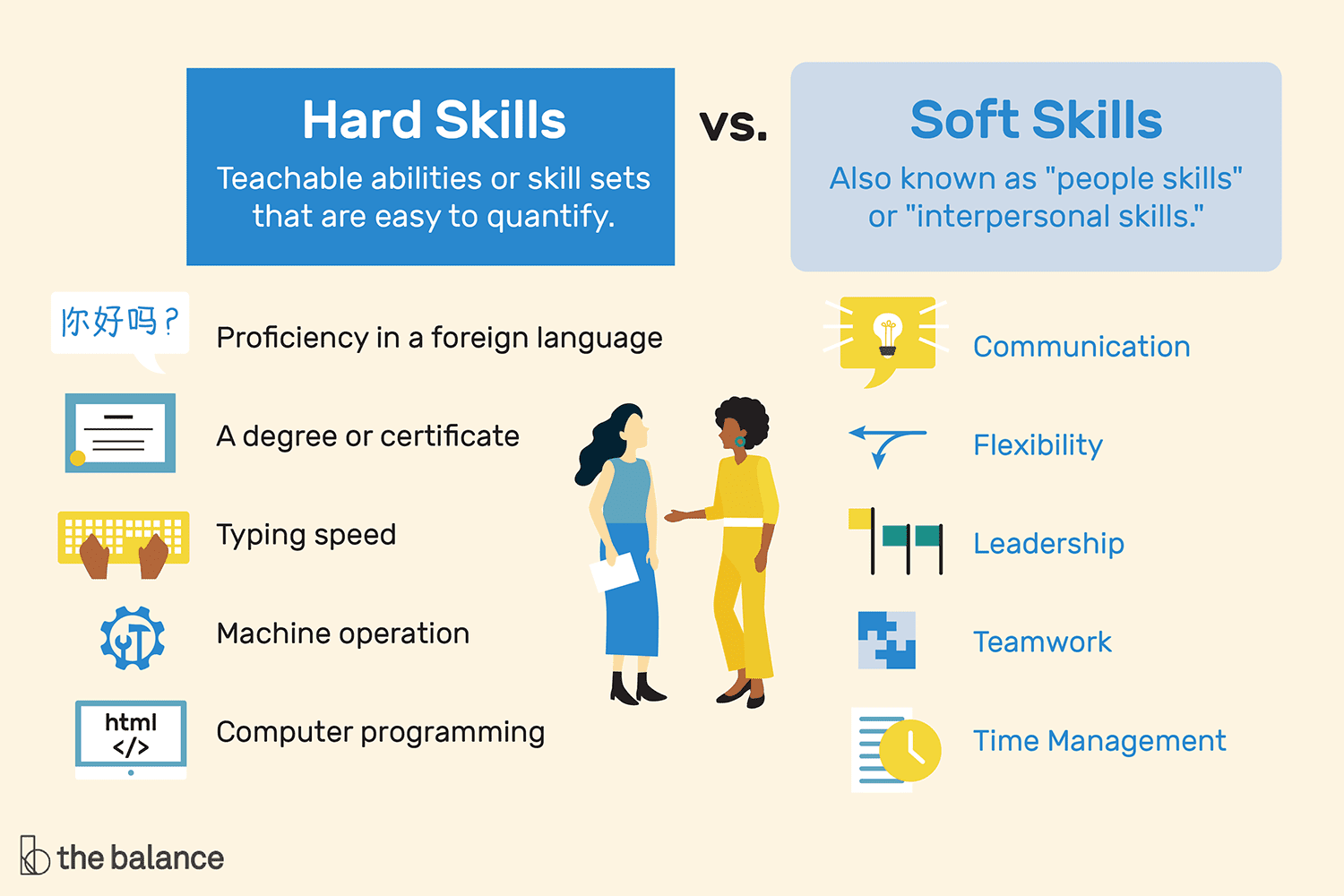 Top 5 Hard Skills Valued by Employers
When job hunting, it’s essential to create a list of your hard skills. Beyond your specialized expertise, consider including the following in-demand skills on your CV.
Foreign Languages
Knowing more than one language will help you stand out from other candidates who speak only Vietnamese, especially when applying to international companies or jobs that require interactions with international clients or partners.
In many industries, being bilingual involves not only fluency in everyday and business communication but also a deep understanding of professional issues related to the job.
Some of the most in-demand languages you may consider learning to improve your job prospects include English, Japanese, Korean, Chinese, and French.
Writing Skills
In today’s work environment, employees in every field need strong writing skills. While you don’t need to write a novel, you’ll be expected to write emails, draft reports, and convey messages clearly and effectively.
Therefore, if you have skills in editing, copywriting, or digital communication, be sure to highlight them to potential employers.
Computer Skills
Almost every employee needs basic computer knowledge to perform effectively in today's workplace. However, many positions also require more advanced hard skills related to technology. These may include Microsoft Office (Word, Excel, Outlook, PowerPoint), social media platforms, content management systems (CMS), Google Drive, email, and more.
Analytical Skills
Analytical skills involve collecting data, analyzing it, interpreting its meaning, and presenting findings. No matter the job, demonstrating strong data analysis abilities will leave a positive impression on employers.
Here are some analytical skills to list on your CV: research, data mining, database management, data interpretation, and metrics analysis.
Mathematical Skills
You don’t need advanced math knowledge for most careers, but the ability to add and subtract basic numbers, calculate costs, and interpret simple charts or graphs is useful in any profession. For example, when a manager asks how much longer a project will take, you can apply basic math to estimate around three weeks. Keeping projects on track is essential for any role, and basic math can help you better plan your schedule.
How to Improve Hard Skills
Practice regularly. Most hard skills require consistent practice to master. The more you practice, the better you’ll become at the hard skills necessary for your career. Set a schedule for practice and monitor your progress.
Seek feedback and constructive input. If you're currently working with people who excel in the hard skills you want to improve, ask them for feedback on your performance and suggestions for improvement. You can also learn from the steps they took to master these skills.
Take courses. Many hard skills require formal training to master. Enrolling in classes or online courses is a great way to learn more about a hard skill while completing exercises that enhance your proficiency.
How to Highlight Hard Skills
When writing your CV and cover letter
Include hard skills relevant to the position in both your cover letter and CV to ensure they catch the employer's attention. On your CV, list your hard skills in the skills section with specific details. You can also mention key hard skills within your work experience descriptions.
In your cover letter, choose two or three hard skills to highlight and give examples of how you used those skills to achieve success in previous roles.
During job interviews
During interviews, there are several ways to showcase your hard skills. One way is by demonstrating them directly to the employer. For example, if the job requires a certain typing speed, you may be asked to complete a typing test. Be ready to demonstrate any hard skills listed on your CV.
Additionally, you may be asked to provide specific examples of when you used your hard skills in the past. Before your interview, think of at least one example for each relevant hard skill related to the job.
You can also bring along any certificates or documents that prove you’ve completed courses or earned certifications for your hard skills. Being well-prepared will help you successfully showcase your hard skills and prove you’re qualified for the position.
Source: careerlink.vn